In the bustling world of culinary arts, few techniques are as universally beloved and simultaneously feared as deep-frying. The sizzle of food meeting hot oil is a symphony to many, yet behind that enticing sound lies a dance with danger—both in terms of food quality and personal safety. Mastering the art of frying isn't just about achieving that perfect golden crunch; it's about understanding the science and safety of oil. This comprehensive guide delves into the critical aspects of oil temperature management and splash prevention, offering practical wisdom for both home cooks and professional chefs.
At the heart of successful frying lies the precise control of oil temperature. It is the single most important factor that separates mediocre results from exceptional ones. When oil is too cool, food absorbs excessive amounts of it, emerging greasy, pale, and unappetizing. Conversely, oil that is too hot burns the exterior long before the interior cooks through, creating a bitter, charred mess while also posing significant fire hazards. The ideal temperature range for most frying applications falls between 350°F and 375°F (175°C and 190°C). Within this golden window, moisture inside the food rapidly turns to steam, pushing outward and preventing oil from soaking in, resulting in a crisp exterior and a moist, perfectly cooked interior.
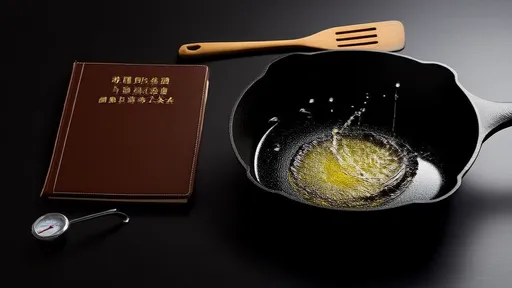
Accurate temperature monitoring is non-negotiable. Relying on visual cues like the shimmer of the oil or the way a bread cube reacts is a game of chance for the uninitiated. For consistent, reliable results, a good quality deep-fry or candy thermometer is an indispensable tool in any kitchen. It provides a clear, numerical reading, removing all guesswork. Many modern deep fryers come with built-in thermostats that maintain the set temperature automatically, a fantastic feature for ensuring stability. For those using pots or pans on stovetops, vigilance is key. The temperature can fluctuate quickly, especially when adding food, so frequent checks and adjustments to the heat source are necessary to stay within the desired range.
Understanding the type of oil you use is equally crucial to temperature control. Not all oils are created equal; each has a specific smoke point—the temperature at which it begins to break down, smoke, and impart unpleasant flavors. Oils with high smoke points, such as peanut, canola, safflower, and sunflower oil, are best suited for the high heat of frying. Using a low smoke point oil, like extra virgin olive oil or unrefined walnut oil, is a recipe for disaster, as it will burn long before reaching optimal frying temperatures, creating acrid smoke and harmful compounds. Furthermore, oil should never be used past its prime. Old, degraded oil has a lower effective smoke point, fries poorly, and can impart off-flavors to food. It's important to recognize when oil is spent—typically after several uses or when it becomes dark, viscous, and foamy—and to replace it promptly.
While managing temperature is paramount for food quality, managing splatters is paramount for personal safety. Hot oil splashes are a common cause of painful kitchen burns. The physics behind splattering is simple: when moisture from food meets hot oil, it instantly vaporizes into steam, expanding violently and ejecting tiny droplets of oil in all directions. The key to prevention is moisture control. Ensuring food is as dry as possible before it touches the oil is the first and most effective line of defense. Pat down proteins like chicken or fish with paper towels, and shake off excess batter or ice crystals from frozen foods. Even a small amount of surface water can cause a dramatic and dangerous reaction.
The manner in which food is introduced to the oil is another critical factor. Avoid the temptation to drop or throw food in from a height. Instead, gently lower items into the oil close to the surface, preferably using long-handled tongs or a spider strainer. This minimizes the impact and gives the oil time to react calmly rather than explosively. It is also vital to avoid overcrowding the fryer basket or pot. Adding too much food at once causes a drastic drop in the oil's temperature, leading to soggy food and increased oil absorption. Perhaps more dangerously, it can cause the oil to bubble up violently and overflow the pot, creating a massive spill hazard and a potential fire on the stovetop. Fry in small, manageable batches to maintain temperature and control.
Equipment also plays a significant role in splash prevention. Using a pot that is appropriately sized is fundamental; it should be deep enough so that the oil fills it no more than halfway. This provides ample room for the oil to bubble up without threatening to spill over the sides. A splatter screen is a simple, inexpensive, and highly effective tool. Placed over the pot, it acts as a shield, containing most of the errant oil droplets while still allowing steam to escape, which prevents pressure buildup. For those who fry regularly, investing in a countertop deep fryer with a contained system and a lid is one of the best decisions for safety and convenience.
Beyond technique and tools, the right mindset and preparation are your ultimate safeguards. Always keep a large box of baking soda or a certified Class K fire extinguisher within arm's reach when frying. Water is utterly useless and incredibly dangerous for an oil fire, as it will cause the burning oil to splatter and spread. Never, under any circumstances, attempt to extinguish a grease fire with water. In case of a flare-up, the best course of action is to calmly and carefully smother the flames by sliding a lid over the pot to cut off the oxygen supply and then turning off the heat source. Wearing long sleeves and using dry, secure potholders can protect your arms and hands from accidental splashes that do occur.
In conclusion, the path to frying mastery is paved with knowledge and respect for the process. It demands an understanding of thermal dynamics, a commitment to preparation, and an unwavering focus on safety. By meticulously controlling oil temperature and diligently employing anti-splash techniques, you transform a potentially hazardous activity into a rewarding culinary endeavor. The result is not just impeccably cooked food that is crispy on the outside and tender within, but also the confidence that comes from operating your kitchen with skill and security. Embrace these practices, and you will elevate your frying from a simple cooking method to an art form, all while ensuring that everyone in the kitchen remains safe from harm.

By /Aug 29, 2025
By /Aug 29, 2025
By /Aug 29, 2025
By /Aug 29, 2025
By /Aug 29, 2025
By /Aug 29, 2025
By /Aug 29, 2025
By /Aug 29, 2025
By /Aug 29, 2025
By /Aug 29, 2025
By /Aug 29, 2025
By /Aug 29, 2025
By /Aug 29, 2025
By /Aug 29, 2025
By /Aug 29, 2025
By /Aug 29, 2025
By /Aug 29, 2025
By /Aug 29, 2025
By /Aug 29, 2025
By /Aug 29, 2025
