We often hear the familiar advice to drink eight glasses of water a day, but what if a significant portion of our hydration needs could be met not from a glass, but from our plates? The narrative of hydration has long been dominated by water bottles and measuring cups, yet there exists a fascinating, often overlooked world of hydration through the foods we consume daily. This hidden water source embedded in our meals plays a crucial role in maintaining our fluid balance, offering not just hydration but a symphony of nutrients that plain water simply cannot provide.
Consider, for a moment, the crisp bite of a cucumber on a warm afternoon or the juicy burst of a ripe strawberry. These are not merely refreshing experiences; they are acts of hydration. Many fruits and vegetables are composed of over 90% water, making them powerful allies in our quest to stay adequately hydrated. The water within these plant cells is structured, often containing dissolved vitamins, minerals, and antioxidants, which may facilitate more efficient absorption by our bodies compared to plain water. This isn't just about quenching thirst; it's about nourishing ourselves on a cellular level.
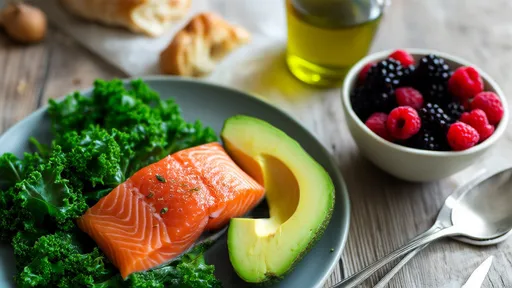
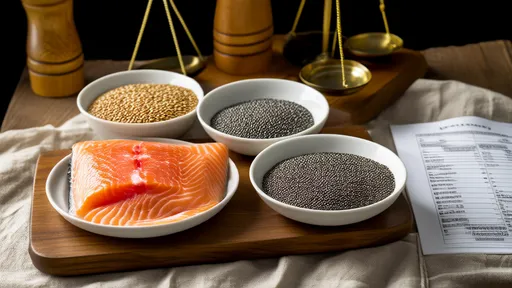
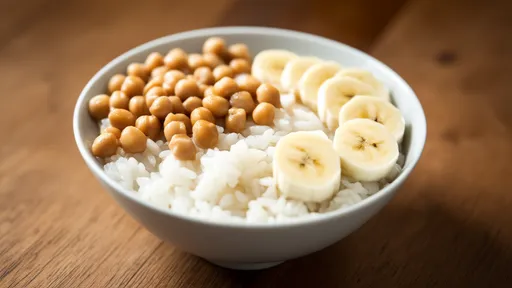
Beyond the produce aisle, other food groups contribute significantly to our daily water intake. Soups and broths are the most obvious examples, being primarily liquid-based. A warm bowl of chicken soup or a chilled gazpacho delivers a substantial volume of water, along with electrolytes like sodium and potassium, which are essential for retaining that fluid in our system. Even foods we don't typically associate with moisture, like yogurt, cooked grains like oatmeal, and even certain fish like salmon, possess a high water content that quietly adds to our overall hydration status throughout the day.
The very act of metabolizing the food we eat produces water as a byproduct. This metabolic water, generated from breaking down carbohydrates, fats, and proteins, contributes a small but constant internal water supply. While it doesn't replace the need for external sources, it's a fascinating physiological process that highlights how our bodies are ingeniously designed to extract and utilize every possible drop of water, from both what we drink and what we eat.
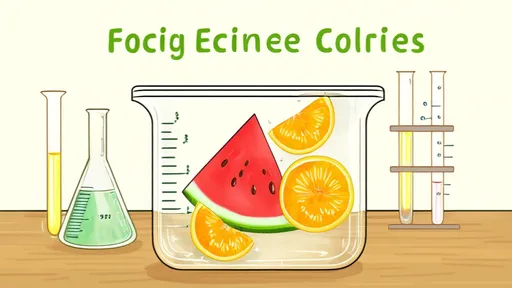
Relying on food for a portion of our hydration comes with a cascade of additional benefits. Unlike drinking water, which hydrates without providing calories or nutrients, water-rich foods are typically packed with fiber, vitamins, and minerals. This means that by choosing to hydrate with a watermelon slice instead of a glass of water, you're not only taking in fluid but also benefiting from lycopene, vitamin C, and dietary fiber. This synergistic effect promotes better digestion, healthier skin, and improved overall nutrient intake, turning a simple act of hydration into a powerful health-boosting strategy.
Understanding this hidden water source can be a game-changer for individuals who struggle to drink sufficient water throughout the day. For those who find the task of constantly sipping water tedious or forgetful, focusing on incorporating more water-dense foods can be a more enjoyable and sustainable approach to maintaining hydration. Building a salad with lettuce, tomatoes, and cucumbers, starting a meal with a broth-based soup, or opting for fruit for dessert are all simple, effective tactics to boost fluid intake effortlessly.
It is, however, crucial to maintain a balanced perspective. While food is a valuable source of hidden water, it should complement, not completely replace, direct water consumption. The water we drink is still vital for flushing out toxins, regulating body temperature, and ensuring our cells function optimally. The key is to see hydration as a holistic picture: a combination of the water we drink, the water we eat, and the metabolic water we generate. This triad works in concert to keep us perfectly hydrated.
In conclusion, the secret to optimal hydration may not lie in a single source but in a diversified approach. By unlocking the hidden waters within our food, we can transform our diet into a tool for sustained hydration and enhanced wellness. So the next time you plan your meals, think beyond taste and nutrition. Think about the fluid, the life, the hidden oasis you are inviting onto your plate, and drink deeply from the rich, hydrating well of whole foods.

By /Aug 29, 2025
By /Aug 29, 2025
By /Aug 29, 2025

By /Aug 29, 2025
By /Aug 29, 2025
By /Aug 29, 2025
By /Aug 29, 2025
By /Aug 29, 2025

By /Aug 29, 2025
By /Aug 29, 2025

By /Aug 29, 2025

By /Aug 29, 2025
By /Aug 29, 2025

By /Aug 29, 2025
By /Aug 29, 2025

By /Aug 29, 2025

By /Aug 29, 2025

By /Aug 29, 2025

By /Aug 29, 2025

By /Aug 29, 2025
