Research on Eating Rhythms: Pros and Cons of Small Meals Frequent Eating and Intermittent Fasting

Aug 29, 2025 By

In the ever-evolving landscape of nutritional science, the debate between grazing—consuming smaller, frequent meals—and intermittent fasting—cycling between periods of eating and abstaining—has captured significant attention. Both approaches present compelling arguments, rooted in physiological mechanisms and cultural practices, yet they stand in stark contrast to one another. Understanding the nuances, benefits, and potential drawbacks of each can empower individuals to make informed decisions tailored to their unique health goals and lifestyles.

The concept of eating multiple small meals throughout the day, often referred to as grazing, has long been promoted by dietitians and health enthusiasts. Proponents argue that this eating pattern helps maintain stable blood sugar levels, preventing the sharp spikes and crashes associated with larger, less frequent meals. By providing a steady stream of nutrients, the body is better equipped to sustain energy, enhance metabolic rate, and control hunger pangs. This approach is particularly favored by those engaged in endurance sports or individuals with specific metabolic conditions, such as diabetes, where blood sugar management is paramount. Moreover, frequent eating may aid in portion control, as smaller meals can reduce the likelihood of overindulgence during traditional meal times.

However, the grazing method is not without its critics. Some studies suggest that constant eating may lead to a perpetual state of digestion, potentially causing low-grade inflammation or digestive discomfort. There is also the risk of increased calorie intake if mindfulness is not practiced, as the cumulative effect of numerous small snacks can surpass the energy needs of the body. Additionally, in our fast-paced modern world, the logistics of preparing and consuming multiple meals can be cumbersome, potentially leading to reliance on processed, convenience foods that undermine health objectives.

On the opposite end of the spectrum lies intermittent fasting, an ancient practice rejuvenated by contemporary science. This approach involves designated windows for eating and fasting, with popular variations including the 16/8 method (fasting for 16 hours and eating within an 8-hour window) or the 5:2 diet (eating normally for five days and significantly restricting calories for two non-consecutive days). Advocates of intermittent fasting highlight its potential to promote autophagy, a cellular cleanup process where the body removes damaged components, potentially reducing the risk of chronic diseases and slowing aging. Fasting periods may also improve insulin sensitivity, making the body more efficient at utilizing glucose, and encouraging fat oxidation for energy.

Intermittent fasting has been linked to weight loss, not only through calorie restriction but also via hormonal adjustments that enhance fat burning. The discipline required for fasting can foster a healthier relationship with food, encouraging mindful eating and reducing habitual snacking. Many adherents report mental clarity and increased focus during fasting periods, attributed to stabilized energy levels without the constant influx of food. Historically, fasting is embedded in various cultural and religious practices, suggesting a deep-seated human capacity for periods of abstention.

Nevertheless, intermittent fasting presents challenges that may not suit everyone. Extended fasting can lead to intense hunger, irritability, and fatigue, particularly in the initial adaptation phase. There is a risk of nutrient deficiencies if the eating window does not include balanced, nutrient-dense meals. For individuals with certain medical conditions, such as eating disorders, diabetes, or adrenal fatigue, fasting could exacerbate health issues. Social and lifestyle factors also play a role; fasting may complicate family meals or social gatherings centered around food, potentially leading to isolation or disordered eating patterns if not approached with care.

When comparing these two dietary rhythms, it becomes evident that context is crucial. Factors such as individual metabolic health, daily activity levels, psychological relationship with food, and personal schedules must be considered. For instance, an athlete with high energy demands might thrive on frequent, nutrient-rich meals, while someone seeking weight loss and metabolic flexibility might find success with intermittent fasting. It is not a one-size-fits-all scenario; rather, it is about finding a sustainable pattern that supports overall well-being without inducing stress or deprivation.

Emerging research continues to shed light on the intricacies of meal timing, suggesting that both approaches can be effective when aligned with individual needs and preferences. The key lies in intentionality—whether choosing to graze or fast, being mindful of food quality, portion sizes, and the body's signals is paramount. Consulting with healthcare professionals can provide personalized guidance, ensuring that dietary choices enhance rather than compromise health.

In conclusion, the choice between frequent small meals and intermittent fasting is a deeply personal one, influenced by a mosaic of biological, psychological, and practical factors. Both paths offer distinct advantages and potential pitfalls, underscoring the importance of a nuanced, informed approach to nutrition. As science advances, it is likely that our understanding of these eating patterns will evolve, but the fundamental principle remains: the best diet is one that is balanced, sustainable, and supportive of long-term health and happiness.

Recommend Posts
Food

Regeneration of the Title: Actual Differences Between Natural Sugars and Added Sugars

By /Aug 29, 2025

For years, sugar has been painted with a broad brush in nutritional discussions, often vilified as a singular dietary villain. However, recent scientific insights are reshaping our understanding, particularly the critical distinction between naturally occurring sugars and added sugars. This isn't just semantic nitpicking; it’s a fundamental concept that can redefine a healthy diet. The conversation is moving beyond simply counting grams of sugar on a label and toward understanding the context in which we consume it. The source, the accompanying nutrients, and the overall food matrix make a world of difference in how our bodies process and utilize these sweet molecules.
Food

The Mystery of Hydration: Hidden Water Sources Beyond Drinking

By /Aug 29, 2025

We often hear the familiar advice to drink eight glasses of water a day, but what if a significant portion of our hydration needs could be met not from a glass, but from our plates? The narrative of hydration has long been dominated by water bottles and measuring cups, yet there exists a fascinating, often overlooked world of hydration through the foods we consume daily. This hidden water source embedded in our meals plays a crucial role in maintaining our fluid balance, offering not just hydration but a symphony of nutrients that plain water simply cannot provide.
Food

Scientific Food Combinations: Which Pairings Enhance Nutrient Absorption?

By /Aug 29, 2025

In the intricate dance of nutrition, the concept of food combining has emerged as a fascinating area of study, suggesting that the way we pair foods on our plates can significantly influence how our bodies absorb vital nutrients. This isn't merely about creating a pleasing culinary experience; it's a science rooted in understanding how different compounds interact within our digestive system. The synergy between certain foods can unlock a treasure trove of vitamins and minerals, making them more bioavailable and ensuring we derive maximum benefit from every bite. For anyone keen on optimizing their health through diet, grasping these principles is akin to learning a new language of wellness.
Food

Research on Eating Rhythms: Pros and Cons of Small Meals Frequent Eating and Intermittent Fasting

By /Aug 29, 2025

In the ever-evolving landscape of nutritional science, the debate between grazing—consuming smaller, frequent meals—and intermittent fasting—cycling between periods of eating and abstaining—has captured significant attention. Both approaches present compelling arguments, rooted in physiological mechanisms and cultural practices, yet they stand in stark contrast to one another. Understanding the nuances, benefits, and potential drawbacks of each can empower individuals to make informed decisions tailored to their unique health goals and lifestyles.
Food

Nutritional Analysis of Omega-3 Sources: Fish, Flaxseed, and Chia Seeds

By /Aug 29, 2025

When it comes to discussing Omega-3 fatty acids, the conversation often centers around their profound importance to human health, yet the nuances of their dietary sources are sometimes overlooked. These essential fats, which our bodies cannot produce on their own, play a critical role in brain function, reducing inflammation, and supporting heart health. The landscape of Omega-3s is primarily divided between marine and plant-based origins, each with its own unique profile, bioavailability, and implications for our well-being. Understanding the distinct characteristics of popular sources like fish, flaxseeds, and chia seeds is not merely an academic exercise; it is a practical guide for making informed nutritional choices that align with individual health goals, dietary preferences, and ethical considerations.
Food

Resistant Starch Discovery: Health Benefits of Cold Rice, Legumes, and Bananas

By /Aug 29, 2025

In the ever-evolving landscape of nutritional science, few discoveries have captured the imagination of health enthusiasts and researchers alike as profoundly as that of resistant starch. This unique form of dietary fiber, which resists digestion in the small intestine and ferments in the large intestine, has reshaped our understanding of carbohydrates and their role in human health. Unlike typical starches that are broken down into sugars and absorbed, resistant starch behaves more like a fiber, offering a host of benefits that extend far beyond simple nutrition. Its discovery has prompted a reevaluation of many common foods, turning some dietary villains into heroes and reinforcing the wisdom of traditional eating practices long overlooked in the modern era.
Food

Intestinal Flor Diet: How to Feed Your Body's Microbial Ecosystem

By /Aug 29, 2025

In recent years, science has uncovered a universe within us—a complex ecosystem of trillions of microorganisms residing primarily in our gut. This bustling community, known as the gut microbiome, plays a far more significant role in our health than previously imagined. It influences everything from digestion and immune function to mental health and chronic disease risk. And just like any ecosystem, its health depends profoundly on what we feed it. The concept of "feeding your microbiome" has moved from scientific curiosity to mainstream health advice, but what does it truly mean to nourish this inner world? The answer lies not in exotic supplements or radical diets, but in the everyday choices we make at the dinner table.
Food

The Health Benefits of Fermented Foods: The Value of Yogurt, Kimchi, and Kombucha

By /Aug 29, 2025

In recent years, fermented foods have surged in popularity, moving from traditional culinary practices to mainstream health conversations. Among these, yogurt, kimchi, and kombucha stand out not only for their distinct flavors but also for their remarkable health benefits. These foods, created through the ancient process of fermentation, offer a wealth of nutrients and bioactive compounds that modern science is only beginning to fully understand. As we delve into their individual and collective virtues, it becomes clear that incorporating them into one's diet can be a delicious path to enhanced well-being.
Food

Leftover Transformation Plan: Turning Leftovers into Delicious New Dishes"

By /Aug 29, 2025

In kitchens around the world, the sight of leftover food has long been a source of guilt and frustration. Despite our best intentions to minimize waste, life often gets in the way, and we find ourselves staring at containers of yesterday’s rice, roasted vegetables, or proteins that have lost their initial appeal. But what if these remnants could be transformed into something new, exciting, and delicious? That’s the idea behind the leftover transformation plan—a creative and sustainable approach to cooking that turns what might have been discarded into culinary masterpieces.
Food

Pickling Time Chart: Best Flavoring Times for Different Types of Meats

By /Aug 29, 2025

Marinating is both an art and a science, a culinary tradition that spans cultures and centuries. It’s the quiet transformation that happens before the heat is applied, where flavors meld, textures change, and ordinary ingredients become extraordinary. The heart of this process lies in timing—the delicate balance between under-marinated blandness and over-marinated mush. Understanding how long to let different meats bathe in their flavorful baths can make the difference between a good meal and a memorable one.
Food

Deep-Frying Safety Manual: Oil Temperature Control and Anti-Splash Techniques

By /Aug 29, 2025

In the bustling world of culinary arts, few techniques are as universally beloved and simultaneously feared as deep-frying. The sizzle of food meeting hot oil is a symphony to many, yet behind that enticing sound lies a dance with danger—both in terms of food quality and personal safety. Mastering the art of frying isn't just about achieving that perfect golden crunch; it's about understanding the science and safety of oil. This comprehensive guide delves into the critical aspects of oil temperature management and splash prevention, offering practical wisdom for both home cooks and professional chefs.
Food

Dough Texture Teaching: How to Judge Fermentation Level by Touch

By /Aug 29, 2025

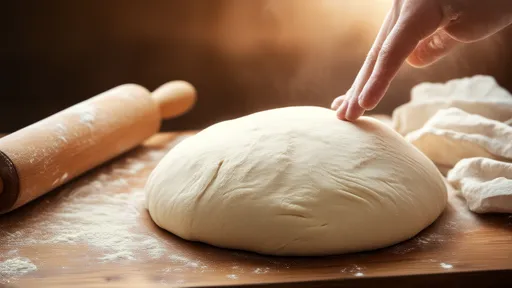
The art of breadmaking transcends mere recipes and measurements, residing instead in the subtle language of touch and texture that speaks through the dough itself. For centuries, bakers have relied not on timers or thermometers, but on their hands to gauge the most critical phase of fermentation. This tactile wisdom, passed down through generations, remains the true soul of craftsmanship in baking.
Food

Fish Processing Tutorial: Complete Steps from Scaling to Filleting

By /Aug 29, 2025

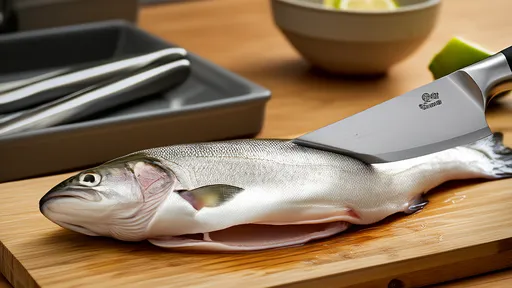
There is a certain meditative quality to preparing a whole fish, a process that connects us to the food on our table in its most fundamental form. It is a skill that, once mastered, elevates home cooking to a new level of artistry and freshness. While the prospect of tackling a fish with scales, guts, and bones can seem daunting to the uninitiated, the process is a series of simple, logical steps. With a sharp knife, a bit of patience, and the right guidance, transforming a whole fish into pristine, kitchen-ready fillets is an immensely satisfying endeavor.
Food

The Ultimate Guide to Perfect Roast Chicken: Achieving Crispy Skin, Tender Meat, and Juicy Flavors

By /Aug 29, 2025

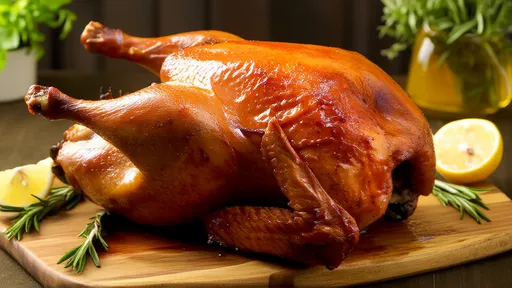
There exists a culinary quest that has captivated home cooks and professional chefs alike for generations—the pursuit of the perfect roast chicken. It is a dish of deceptive simplicity, a humble bird transformed through heat and technique into something truly sublime. The ultimate goal, the culinary trifecta, is a bird boasting skin shatteringly crisp, meat impossibly tender, and juices that flow generously with every carve. This is not merely cooking; it is an achievement, a harmonious convergence of science, patience, and art.
Food

The Art of Balancing Flavors: The Golden Ratio of Salty, Sweet, Sour, and Spicy

By /Aug 29, 2025

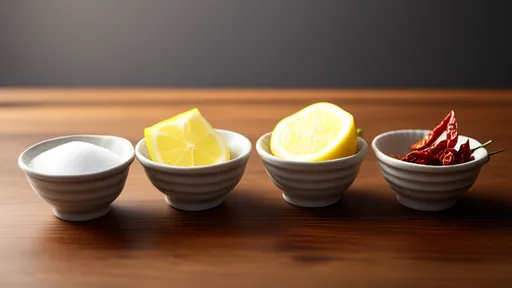
In the culinary world, the pursuit of flavor harmony is an art form that transcends cultures and cuisines. At its heart lies the delicate interplay of four foundational tastes: salty, sweet, sour, and spicy. Mastering their balance is not merely a technical skill but a creative endeavor that can elevate a dish from ordinary to extraordinary. This exploration delves into the golden ratios and intuitive principles that guide chefs and home cooks alike in achieving that perfect symphony on the palate.
Food

Mastering Cooking Techniques: Temperature and Time for Steaming, Boiling, Stir-frying, and Frying

By /Aug 29, 2025

In the realm of culinary arts, the mastery of heat is often what separates a good dish from an extraordinary one. Whether you're a home cook or a professional chef, understanding the nuances of temperature and timing for various cooking methods can elevate your skills to new heights. This article delves into the secrets behind four fundamental techniques: steaming, boiling, stir-frying, and frying. Each method requires a unique approach to heat management, and getting it right can make all the difference in texture, flavor, and nutritional value.
Food

Basic Knife Skills Training: Key Techniques for Shredding, Dicing, and Rocking Cuts

By /Aug 29, 2025

In the world of culinary arts, mastering knife skills is akin to a musician perfecting their scales—it’s the fundamental groundwork upon which all great performances are built. Among these essential techniques, slicing into fine threads, chopping into uniform cubes, and executing the rolling cut stand out as foundational maneuvers that separate novice cooks from seasoned professionals. These methods are not merely about dividing ingredients; they represent a harmony of precision, safety, and efficiency that transforms cooking from a chore into an art form.
Food

The Ultimate Guide to Stock Making: Techniques from Chinese Consommé to French Bouillon

By /Aug 29, 2025

In the world of culinary arts, few elements are as foundational and transformative as a well-crafted stock. From the delicate clarity of a Chinese clear broth to the rich, velvety depth of a French consommé, the journey of stock-making spans cultures, techniques, and centuries of tradition. It is the invisible hand that elevates dishes from mere sustenance to memorable experiences, the backbone upon which great soups, sauces, and stews are built. This exploration delves into the nuanced art and science behind creating these liquid treasures, offering insights into both Eastern and Western approaches that have stood the test of time.
Food

Family Recipe Legacy: Preserving and Recreating Grandma's Signature Dishes

By /Aug 29, 2025

There is something profoundly intimate about the way food connects us to our past. The scent of a particular spice, the texture of a dough, the first taste of a long-forgotten dish—these sensations can instantly transport us back to a grandmother’s kitchen, to a time and place steeped in memory and love. Preserving and recreating these culinary heirlooms is more than a hobby; it is an act of devotion, a tangible link to our heritage. It is the art of ensuring that a beloved flavor does not vanish with the passing of a generation.
Food

Cultural Significance of Holiday Foods: From Christmas Turkey to Mid-Autumn Mooncakes

By /Aug 29, 2025

From the golden-brown turkey gracing Christmas tables to the delicate mooncakes exchanged under the Mid-Autumn moon, festive foods serve as more than mere sustenance. They are edible narratives, each bite steeped in history, symbolism, and a profound sense of cultural identity. These dishes are the tangible expressions of our most cherished celebrations, connecting generations and communities through shared rituals and flavors.