In the realm of culinary arts, the mastery of heat is often what separates a good dish from an extraordinary one. Whether you're a home cook or a professional chef, understanding the nuances of temperature and timing for various cooking methods can elevate your skills to new heights. This article delves into the secrets behind four fundamental techniques: steaming, boiling, stir-frying, and frying. Each method requires a unique approach to heat management, and getting it right can make all the difference in texture, flavor, and nutritional value.
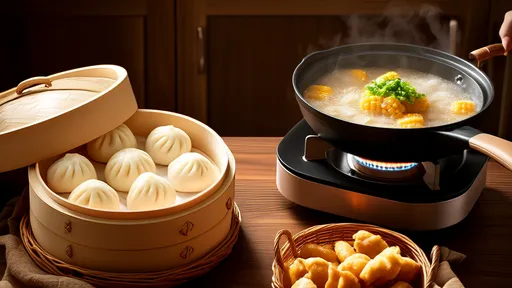
Steaming is a gentle yet powerful cooking method that relies on the transfer of heat through vapor. The ideal temperature for steaming hovers around 212°F (100°C), the boiling point of water. However, the key lies not just in reaching this temperature but in maintaining a consistent steam flow without letting it become too aggressive. Too high a heat can cause water to evaporate too quickly, potentially leading to burnt pots or uneven cooking. On the other hand, insufficient heat may result in soggy, undercooked food. For most vegetables, steaming for 5-10 minutes preserves their vibrant color and crunch, while proteins like fish or chicken may require 10-20 minutes depending on thickness. The lid plays a crucial role here—keeping it on traps the steam and ensures even cooking, but lifting it frequently can disrupt the temperature balance. Steaming is celebrated for its ability to retain nutrients and natural flavors, making it a healthy choice for those mindful of their diet.
When it comes to boiling, the temperature is straightforward—water boils at 212°F (100°C) at sea level. But the artistry involves knowing when to apply a rolling boil versus a gentle simmer. A vigorous boil is perfect for cooking pasta or blanching vegetables, where the high heat ensures quick cooking and preservation of texture. However, for delicate items like eggs or potatoes, a gentle simmer around 180-200°F (82-93°C) prevents cracking or mushiness. Timing is critical; overcooking can lead to loss of nutrients and flavor, as seen when vegetables turn dull and soft. For instance, boiling green beans for more than 5-7 minutes may drain their color and crispness, while a hard-boiled egg requires about 10-12 minutes for a firm yolk. Altitude adjustments are also necessary—at higher elevations, water boils at lower temperatures, so cooking times may need extension. Mastering boiling means recognizing the balance between heat intensity and duration to achieve the desired doneness without compromise.
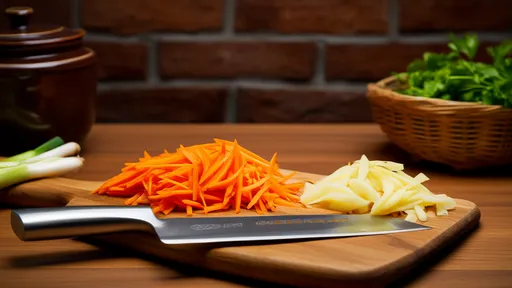
Stir-frying is a dynamic technique that demands high heat and swift action. Traditionally done in a wok, the temperature here often exceeds 400°F (204°C), creating the iconic "wok hei" or breath of the wok—a smoky, complex flavor. The secret to successful stir-frying lies in preheating the wok or pan until it's nearly smoking hot before adding oil. This ensures quick searing and prevents ingredients from stewing in their own juices. Timing is measured in seconds to minutes; vegetables like bell peppers or broccoli may take 2-3 minutes, while thinly sliced meats cook in under a minute. Overcrowding the pan can drop the temperature drastically, leading to steaming instead of frying. Thus, cooking in batches is essential. The entire process is a dance of constant motion—stirring, tossing, and adjusting heat to avoid burning while locking in flavors and textures. It’s a method where precision in heat control translates directly to the dish’s success.
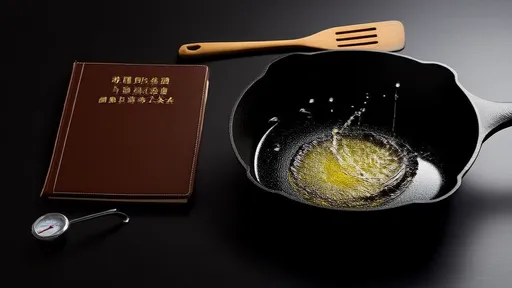
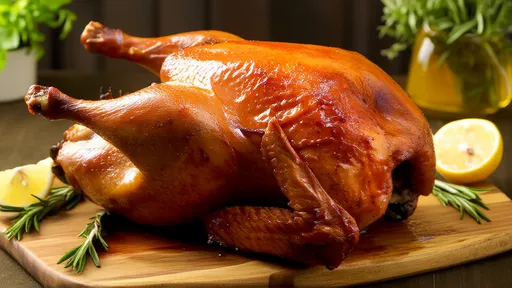
Frying, particularly deep-frying, involves submerging food in hot oil, typically between 350-375°F (177-191°C). This temperature range is vital; too low, and the food absorbs excess oil, becoming greasy and heavy. Too high, and the exterior burns before the interior cooks through. The type of oil matters too, with options like peanut or canola oil having high smoke points suitable for frying. Timing varies widely: delicate items like tempura or french fries may take 2-4 minutes, while thicker cuts like chicken pieces require 10-15 minutes. A consistent temperature is maintained by not overcrowding the fryer and using a thermometer to monitor heat. The result should be a crispy, golden exterior with a moist, fully cooked inside. Shallow frying, a cousin to deep-frying, uses less oil but still demands careful heat management to achieve even browning. Frying is often seen as indulgent, but when done correctly, it can produce light, delicious results that are worth the effort.
In conclusion, each cooking method—steaming, boiling, stir-frying, and frying—has its own symphony of temperature and timing that, when mastered, can transform simple ingredients into culinary masterpieces. Steaming offers health and subtlety, boiling provides versatility, stir-frying delivers speed and flavor, and frying brings crunch and satisfaction. The common thread is the need for attentiveness; heat is not just a tool but a partner in the kitchen. By understanding these principles, you can navigate these techniques with confidence, adapting to different ingredients and desired outcomes. Remember, practice and observation are your best allies in honing these skills. So, turn up the heat, keep an eye on the clock, and let your culinary creations shine.

By /Aug 29, 2025
By /Aug 29, 2025
By /Aug 29, 2025
By /Aug 29, 2025
By /Aug 29, 2025
By /Aug 29, 2025
By /Aug 29, 2025
By /Aug 29, 2025
By /Aug 29, 2025
By /Aug 29, 2025
By /Aug 29, 2025
By /Aug 29, 2025
By /Aug 29, 2025
By /Aug 29, 2025
By /Aug 29, 2025
By /Aug 29, 2025
By /Aug 29, 2025
By /Aug 29, 2025
By /Aug 29, 2025
By /Aug 29, 2025
