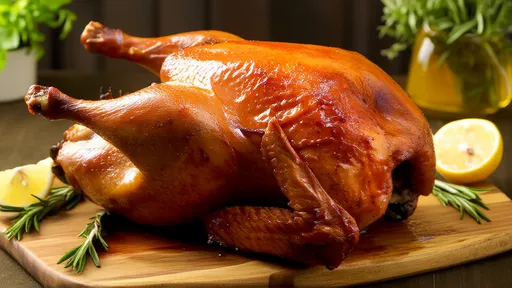
There exists a culinary quest that has captivated home cooks and professional chefs alike for generations—the pursuit of the perfect roast chicken. It is a dish of deceptive simplicity, a humble bird transformed through heat and technique into something truly sublime. The ultimate goal, the culinary trifecta, is a bird boasting skin shatteringly crisp, meat impossibly tender, and juices that flow generously with every carve. This is not merely cooking; it is an achievement, a harmonious convergence of science, patience, and art.
The journey begins not in a hot oven, but hours before, in the cool stillness of the refrigerator. The first and perhaps most crucial step toward that golden, crackling skin is proper drying. Moisture is the sworn enemy of crispness. A wet skin will steam rather than roast, resulting in a leathery, pallid covering no one desires. Upon unwrapping the bird, one must pat it relentlessly, inside and out, with a battalion of paper towels until every surface is utterly dry to the touch. This is the foundation. Then, the bird is left uncovered on a rack set over a tray, to air-dry in the fridge for at least several hours, and ideally overnight. This extended, cold, arid air bath further desiccates the skin, priming it for ultimate crisping. Some purists even advocate for a light brushing with a baking powder mixed with salt, a trick that alters the skin's pH and encourages blistering and browning, but the unwavering constant is absolute dryness.
Seasoning is where personality is imprinted upon the canvas of the chicken. While the interior cavity can be adorned with aromatics like halved lemons, crushed garlic cloves, and bundles of hardy herbs like thyme and rosemary to perfume the meat from within, the exterior demands a more pragmatic approach. Salt is non-negotiable. It must be applied generously and evenly across the entire surface, including every nook and cranny and the underside of the bird. This is not just for taste; salt draws out residual moisture, further aiding the drying process. Coarse kosher salt is preferred for its clean flavor and ease of distribution. Pepper and other spices can be added, but they must be applied after the salting and drying phase, as they can burn if exposed to high heat for too long. The seasoning should be massaged into the skin with conviction, ensuring every millimeter is accounted for.
The architecture of the bird itself plays a pivotal role in its even cooking and final texture. Trussing, the act of tying the legs and wings close to the body with kitchen twine, creates a compact, uniform shape. This promotes even heat distribution, preventing the delicate breast meat from drying out long before the thicker thighs and legs are cooked through. However, a modern and highly effective counter-argument is to *not* truss. By leaving the legs splayed and the cavity open, heat circulates more freely, allowing the dark meat to cook faster and the skin everywhere to become exposed and crisp. Another critical technique is to allow the bird to come to room temperature before it even sniffs the oven. A cold chicken going into a hot oven will seize up, cooking unevenly and guaranteeing a tense, tough texture. Letting it rest on the counter for a good hour or two tempers the meat, encouraging it to cook gently and evenly from the outside in.
The oven itself is a stage for transformation, and the temperature is the director. The quest for the triple achievement necessitates a two-act play. It begins with high, aggressive heat. Blasting the bird at a temperature around 425°F (220°C) or even higher for the first twenty to thirty minutes is essential. This thermal shock instantly renders the subcutaneous fat, causing it to bubble and fry the skin from the inside out, while simultaneously initiating the Maillard reaction—that complex chemical process responsible for the deep, flavorful browning we crave. This initial blast is what creates the structural integrity of the crackling crust.
After this fiery beginning, the temperature must be reduced, typically to around 350°F (175°C), to allow the interior to cook through gently without incinerating the beautifully bronzed skin. This slower, more gentle heat coaxes the proteins in the meat to relax and tenderize, rather than seizing and squeezing out all their precious moisture. The position of the bird in the oven is also key; it should be placed on a rack within a roasting pan to allow hot air to circulate underneath, preventing the bottom from becoming soggy as it sits in its own rendered fat and juices. Basting, the romanticized act of spooning pan juices over the bird, is a topic of debate. While it feels traditional, opening the oven door repeatedly causes dramatic heat loss, jeopardizing the skin's crispness. The best basting is actually done by the fat itself, naturally dripping down as it renders.
Perhaps the most underestimated step in the entire process is the final rest. The moment the chicken is removed from the oven, the temptation to carve immediately is overwhelming. To succumb is to fail. The muscle fibers, tight and tense from their ordeal in the heat, are holding onto all their juices with a desperate grip. Carving now would release a flood of those juices onto the cutting board, leaving the meat dry. The bird must be transferred to a clean cutting board, tented loosely with foil to retain warmth without steaming the skin, and left to rest for a minimum of fifteen minutes, and ideally twenty to thirty. During this quiet interlude, the fibers relax, reabsorbing all the liquid they held onto so tightly. This redistribution of juices is what guarantees that first succulent, moist bite. It is the final, patient act of tenderness.
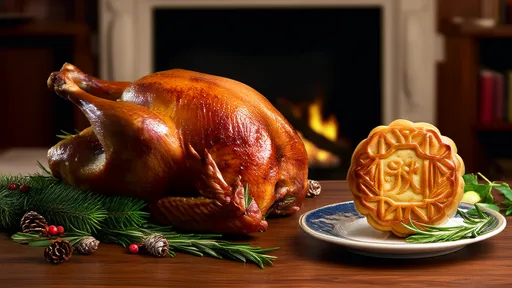
When the rest is complete, the moment of truth arrives. The carving should be done with a sharp knife, acknowledging the anatomy of the bird. Slicing against the grain of the breast meat ensures tenderness. And then, it is revealed. The knife meets the skin with an audible crackle, a sound that signals success. The flesh beneath is not white and dry, but pale and juicy, perhaps even bearing a faint blush near the bone, a sign of perfect doneness. A gentle pressure on the thigh releases a stream of clear, flavorful juices. The triumvirate is complete: the skin is a glass-like, savory mosaic; the meat is yielding and profoundly flavorful; the juices are abundant. This is the perfect roast chicken, a humble dish elevated to a masterpiece through mindful technique and profound respect for the process. It is an achievement that never fails to satisfy, a timeless testament to the power of good cooking.

By /Aug 29, 2025

By /Aug 29, 2025
By /Aug 29, 2025
By /Aug 29, 2025
By /Aug 29, 2025
By /Aug 29, 2025
By /Aug 29, 2025
By /Aug 29, 2025
By /Aug 29, 2025
By /Aug 29, 2025
By /Aug 29, 2025
By /Aug 29, 2025
By /Aug 29, 2025
By /Aug 29, 2025
By /Aug 29, 2025
By /Aug 29, 2025
By /Aug 29, 2025
By /Aug 29, 2025

By /Aug 29, 2025
By /Aug 29, 2025
