In recent years, fermented foods have surged in popularity, moving from traditional culinary practices to mainstream health conversations. Among these, yogurt, kimchi, and kombucha stand out not only for their distinct flavors but also for their remarkable health benefits. These foods, created through the ancient process of fermentation, offer a wealth of nutrients and bioactive compounds that modern science is only beginning to fully understand. As we delve into their individual and collective virtues, it becomes clear that incorporating them into one's diet can be a delicious path to enhanced well-being.
Yogurt, perhaps the most widely recognized fermented food, has been a dietary staple for centuries across various cultures. Made by fermenting milk with live bacterial cultures, primarily Lactobacillus bulgaricus and Streptococcus thermophilus, yogurt is a nutritional powerhouse. It is rich in high-quality protein, calcium, vitamin B12, and other essential nutrients. However, its true value extends beyond basic nutrition. The probiotics in yogurt contribute significantly to gut health by balancing the intestinal microbiota. A healthy gut microbiome is linked to improved digestion, enhanced immune function, and even mental health benefits. Regular consumption of yogurt has been associated with reduced risks of gastrointestinal issues such as irritable bowel syndrome and inflammatory bowel disease. Furthermore, some studies suggest that the probiotics in yogurt can help lower blood pressure and reduce cholesterol levels, contributing to cardiovascular health. It is important to choose yogurts that contain live and active cultures to reap these benefits, as pasteurization after fermentation can destroy these beneficial bacteria.
Moving from the creamy textures of yogurt to the pungent and spicy notes of kimchi, we encounter a fermented food deeply rooted in Korean tradition. Kimchi is typically made from napa cabbage and radishes, seasoned with a blend of chili pepper, garlic, ginger, and other spices, and then left to ferment. This process not only preserves the vegetables but also enhances their nutritional profile. Kimchi is an excellent source of vitamins A, B, and C, along with fiber and antioxidants. The fermentation process generates lactobacilli, which are beneficial bacteria that aid in digestion and promote a healthy gut environment. The fiber content in kimchi supports digestive regularity and fosters the growth of good bacteria. Additionally, the antioxidants and other compounds in kimchi have been studied for their potential anti-inflammatory and anti-cancer properties. Some research indicates that regular consumption of kimchi may help in regulating cholesterol levels and improving immune response. The garlic and ginger used in its preparation contribute their own health benefits, including antimicrobial and anti-inflammatory effects, making kimchi a multifaceted health food.
Kombucha, a fermented tea beverage, has gained a devoted following for its unique taste and purported health benefits. Originating in East Asia over two thousand years ago, kombucha is made by fermenting sweetened tea with a symbiotic culture of bacteria and yeast, often referred to as a SCOBY. The result is a slightly effervescent drink that is tart and slightly sweet. Kombucha is celebrated for its probiotic content, which supports gut health much like yogurt and kimchi. A healthy gut flora is crucial for proper digestion, nutrient absorption, and a robust immune system. Beyond probiotics, kombucha contains antioxidants, particularly when made from green tea, which can help combat oxidative stress and reduce inflammation in the body. Some proponents believe that kombucha can aid in detoxification, improve liver function, and even boost energy levels, although more scientific research is needed to fully substantiate these claims. It is also a source of B vitamins and organic acids like acetic acid, which has antimicrobial properties. However, it is essential to consume kombucha in moderation due to its acidity and potential sugar content, and to ensure it is prepared safely to avoid contamination.
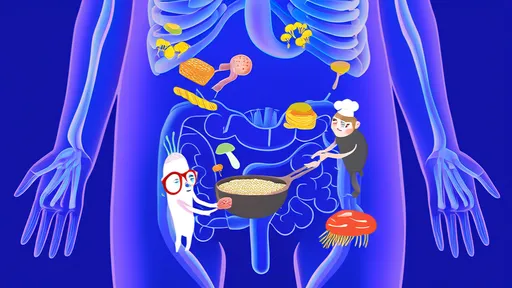
While each of these fermented foods offers distinct advantages, they share common threads in promoting health through the enhancement of the gut microbiome. The gut is often called the "second brain" due to its extensive network of neurons and its influence on overall health, including immune function, mood regulation, and even cognitive abilities. The probiotics found in yogurt, kimchi, and kombucha help maintain a balanced gut microbiota, which is essential for preventing the overgrowth of harmful bacteria and supporting the body's natural defenses. Moreover, the fermentation process itself increases the bioavailability of nutrients, making it easier for the body to absorb vitamins and minerals. This means that consuming fermented foods can help you get more nutritional value from your diet. The organic acids produced during fermentation also contribute to a healthy digestive environment by promoting the growth of beneficial bacteria and inhibiting pathogens.
Incorporating these fermented foods into your daily diet can be both enjoyable and beneficial. Yogurt can be enjoyed at breakfast or as a snack, perhaps with some fruit or granola for added nutrition. Kimchi can be eaten as a side dish, added to soups, stews, or even used as a topping for rice bowls and sandwiches to introduce a burst of flavor and health benefits. Kombucha makes for a refreshing alternative to sugary sodas and can be consumed throughout the day. However, it is important to introduce these foods gradually to allow your digestive system to adjust to the increased probiotic intake. For those with certain health conditions or compromised immune systems, it is advisable to consult with a healthcare provider before making significant changes to your diet. Additionally, while store-bought versions are convenient, homemade fermented foods can offer greater control over ingredients and fermentation time, potentially enhancing their probiotic content.
As we continue to explore the intricate relationship between diet and health, fermented foods like yogurt, kimchi, and kombucha represent a fusion of tradition and science. They are not merely relics of the past but are increasingly relevant in our modern quest for wellness. Their ability to improve gut health, boost immunity, and provide essential nutrients makes them valuable additions to any diet. By embracing these fermented delights, we can enjoy their rich flavors while nurturing our bodies from the inside out. The journey to better health can indeed be a tasty one, filled with the tangy, creamy, and spicy notes of these wonderful foods.

By /Aug 29, 2025

By /Aug 29, 2025
By /Aug 29, 2025

By /Aug 29, 2025

By /Aug 29, 2025
By /Aug 29, 2025
By /Aug 29, 2025

By /Aug 29, 2025

By /Aug 29, 2025

By /Aug 29, 2025

By /Aug 29, 2025

By /Aug 29, 2025

By /Aug 29, 2025

By /Aug 29, 2025

By /Aug 29, 2025

By /Aug 29, 2025

By /Aug 29, 2025

By /Aug 29, 2025

By /Aug 29, 2025

By /Aug 29, 2025
