In kitchens around the world, the sight of leftover food has long been a source of guilt and frustration. Despite our best intentions to minimize waste, life often gets in the way, and we find ourselves staring at containers of yesterday’s rice, roasted vegetables, or proteins that have lost their initial appeal. But what if these remnants could be transformed into something new, exciting, and delicious? That’s the idea behind the leftover transformation plan—a creative and sustainable approach to cooking that turns what might have been discarded into culinary masterpieces.
The concept isn’t entirely new; generations of home cooks have practiced thrift in the kitchen, repurposing leftovers to stretch budgets and reduce waste. However, in recent years, this practice has evolved from a necessity into an art form, embraced by professional chefs and food enthusiasts alike. With growing awareness about food sustainability and the environmental impact of waste, more people are seeking ways to make the most of every ingredient. The leftover transformation plan is not just about reheating food; it’s about reimagining it, using creativity and technique to give leftovers a second life.
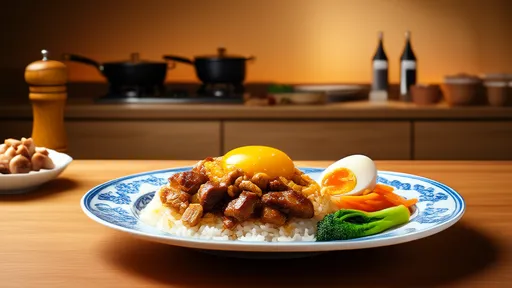
One of the most versatile categories of leftovers is cooked grains, such as rice, quinoa, or pasta. These staples often end up sitting in the fridge, dry and unappealing, but they can be the foundation for countless new dishes. For example, day-old rice is perfect for fried rice—a quick, flavorful meal that comes together in minutes. Sauté some garlic and ginger in a hot pan, add vegetables and protein, then toss in the rice with a splash of soy sauce and a beaten egg. The result is a dish that’s often better than the original. Similarly, leftover pasta can be baked into a frittata or mixed with eggs and cheese to create a savory pancake. The key is to view these grains not as leftovers but as ingredients waiting to be rediscovered.
Vegetables are another common leftover that often gets overlooked. Roasted, steamed, or sautéed veggies can lose their texture and vibrancy after a day in the refrigerator, but they shouldn’t be written off. Blended into soups or sauces, they add depth and nutrition without much effort. Think of a creamy tomato soup made from leftover roasted tomatoes and peppers, or a vibrant pesto using wilted herbs and nuts. Alternatively, vegetables can be folded into omelets, tossed into grain bowls, or pureed into spreads for sandwiches. With a little creativity, even the saddest-looking veggies can be revived and celebrated.
Proteins, such as chicken, beef, or fish, are often the centerpiece of a meal, and leftovers can sometimes feel repetitive. But with a few simple techniques, they can be transformed entirely. Shredded chicken from last night’s roast can become the star of tacos, mixed with spices and fresh salsa. Leftover steak can be thinly sliced and tossed into a salad or stir-fry, adding a rich, savory element. Even fish, which can be delicate, can be flaked into fish cakes or blended into a dip. The goal is to break down the protein and incorporate it into a new context, where it can shine in a different way.
Beyond individual ingredients, entire meals can be reimagined. That leftover curry or stew might not be as exciting on day two, but it can serve as a fantastic base for something new. Add some broth and vegetables to turn it into a soup, or use it as a filling for pies or dumplings. Similarly, leftover mashed potatoes can be formed into croquettes or used as a topping for shepherd’s pie. The possibilities are endless when you approach leftovers with an open mind and a willingness to experiment.
Of course, successful leftover transformation requires some planning and know-how. Proper storage is crucial; leftovers should be cooled quickly and stored in airtight containers to maintain freshness and prevent spoilage. Labeling containers with dates can help you keep track of what needs to be used first. It’s also important to consider food safety; leftovers should be reheated thoroughly and consumed within a few days. With these practices in place, you’ll have a well-stocked fridge of ingredients ready for your culinary experiments.
The benefits of embracing a leftover transformation plan extend beyond the kitchen. Food waste is a significant global issue, with millions of tons of edible food discarded each year. By finding creative ways to use leftovers, we can reduce our environmental footprint and contribute to a more sustainable food system. Moreover, repurposing leftovers can save time and money, making meal preparation more efficient and economical. It’s a practice that aligns with both modern values and timeless wisdom.
Ultimately, the leftover transformation plan is about shifting our perspective. Instead of seeing leftovers as a burden, we can view them as an opportunity—a chance to flex our creative muscles, explore new flavors, and make the most of the resources we have. Whether you’re a seasoned cook or a beginner, there’s joy to be found in turning something ordinary into something extraordinary. So next time you open your fridge and see those containers of leftovers, don’t sigh—smile. You’re about to create something delicious.

By /Aug 29, 2025

By /Aug 29, 2025
By /Aug 29, 2025
By /Aug 29, 2025
By /Aug 29, 2025
By /Aug 29, 2025
By /Aug 29, 2025
By /Aug 29, 2025
By /Aug 29, 2025
By /Aug 29, 2025
By /Aug 29, 2025
By /Aug 29, 2025
By /Aug 29, 2025
By /Aug 29, 2025
By /Aug 29, 2025
By /Aug 29, 2025
By /Aug 29, 2025
By /Aug 29, 2025
By /Aug 29, 2025

By /Aug 29, 2025
