In the ever-evolving landscape of nutritional science, few discoveries have captured the imagination of health enthusiasts and researchers alike as profoundly as that of resistant starch. This unique form of dietary fiber, which resists digestion in the small intestine and ferments in the large intestine, has reshaped our understanding of carbohydrates and their role in human health. Unlike typical starches that are broken down into sugars and absorbed, resistant starch behaves more like a fiber, offering a host of benefits that extend far beyond simple nutrition. Its discovery has prompted a reevaluation of many common foods, turning some dietary villains into heroes and reinforcing the wisdom of traditional eating practices long overlooked in the modern era.
The story of resistant starch is not one of a single eureka moment but a gradual unfolding of scientific curiosity. For decades, starch was largely viewed through a simplistic lens: a source of energy, often to be limited in weight-conscious diets. However, in the late 20th century, researchers began to notice that certain starch structures behaved differently during digestion. Pioneering work in the 1980s and 1990s, particularly by European and Australian research teams, identified that some starches could "resist" enzymatic breakdown, reaching the colon intact. This resistance was not a flaw but a feature, opening the door to a new understanding of gut health, metabolic function, and chronic disease prevention. The term "resistant starch" was coined, and a new field of nutritional inquiry was born, challenging old paradigms and inviting a fresh look at the foods on our plates.
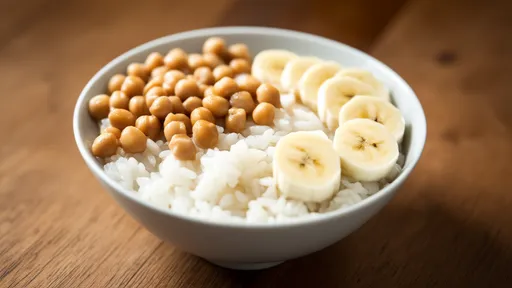
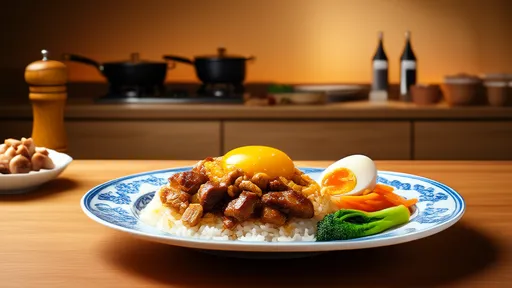
One of the most accessible and surprising sources of resistant starch is a humble staple found in kitchens worldwide: cooked and cooled rice. When rice is cooked, its starch granules gelatinize, making them readily digestible. However, upon cooling, a process called retrogradation occurs. The starch molecules reassociate into a more crystalline, tightly packed structure that digestive enzymes struggle to break down. This transformation significantly increases the resistant starch content. A bowl of cold rice, therefore, is not merely a leftover but a nutritional upgrade. Cultures that have traditionally consumed cooled rice dishes, like sushi or various rice salads, may have been unknowingly harnessing these benefits long before science explained why.
The health implications of incorporating cooled rice into one's diet are substantial. By resisting digestion, its resistant starch content helps moderate blood sugar levels, preventing the sharp spikes and crashes associated with high-glycemic foods. This makes it a valuable dietary component for individuals managing insulin resistance or type 2 diabetes. Furthermore, upon reaching the colon, resistant starch serves as a prebiotic, fueling the beneficial bacteria that reside there. A well-fed gut microbiome is a cornerstone of overall health, contributing to improved digestion, enhanced immune function, and even the production of short-chain fatty acids like butyrate, which is vital for colon health and has been linked to a reduced risk of colorectal cancer. The simple act of allowing rice to cool becomes a powerful act of nurturing one's internal ecosystem.
Beyond cooled starches, the legume family stands as a nutritional powerhouse and a premier natural source of resistant starch. Beans, lentils, chickpeas, and peas are inherently rich in this unique carbohydrate. Their cellular structure and the presence of certain antinutrients like phytates, which ironically can inhibit full starch digestion, contribute to their high resistant starch content. This is one instance where a so-called "antinutrient" confers a significant health advantage. From hearty lentil soups to creamy hummus, legumes are a versatile and delicious vehicle for delivering a potent dose of gut-friendly resistance.
The benefits of legumes are as diverse as the varieties themselves. Their high fiber and resistant starch content promotes unparalleled satiety, aiding in weight management by helping individuals feel fuller for longer on fewer calories. The slow, steady fermentation of resistant starch in the colon leads to a more stable and sustained release of energy, unlike the quick burst from simple sugars. This makes legumes an excellent food for sustained physical and mental endurance. Moreover, regular consumption has been consistently correlated in epidemiological studies with a lower incidence of heart disease, stroke, and certain cancers. The complex synergy of resistant starch, protein, vitamins, and minerals in legumes makes them one of the most complete and protective food groups available to us.
Perhaps the most intriguing source of resistant starch is the common banana, with its content fluctuating dramatically based on ripeness. A green, unripe banana is firm and starchy, and a significant portion of that starch is the resistant type. As the banana ripens, enzymes within the fruit break down the starch into simple sugars like glucose, fructose, and sucrose, making it sweeter, softer, and lower in resistant starch. This natural transformation means that a single food can offer different nutritional profiles and health benefits depending on its stage of life. This provides a unique opportunity for individuals to choose a banana based on their specific health goals.
Choosing a greener banana can be a strategic move for blood sugar control. The high resistant starch content ensures a very low glycemic response, making it an ideal choice for those monitoring their glucose levels. The tough, sometimes slightly bitter flesh of a green banana requires more chewing, which can slow down eating and enhance feelings of fullness. On the other hand, a ripe, sweet banana provides quick energy, which might be preferred before a workout. Culinary traditions in many tropical countries, where green bananas are boiled, fried, or mashed into dishes, showcase the versatility and intentional use of this food at various stages of ripeness, long before the term "resistant starch" entered the popular lexicon.
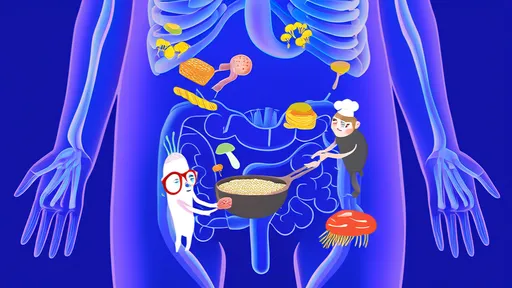
The overarching impact of resistant starch from these foods converges on a single, critical organ: the gut. The colon is home to trillions of bacteria, collectively known as the gut microbiota, which play an indispensable role in our health. Resistant starch is a premier prebiotic, a selective fertilizer for these beneficial microbes. As the bacteria ferment resistant starch, they produce short-chain fatty acids (SCFAs), most notably butyrate, acetate, and propionate. Butyrate, in particular, is the primary energy source for the cells lining our colon (colonocytes), promoting a healthy gut barrier function. A strong gut barrier prevents the leakage of toxins and undigested particles into the bloodstream, a condition often referred to as "leaky gut," which is implicated in systemic inflammation and a host of chronic diseases.
Furthermore, the anti-inflammatory properties of SCFAs resonate throughout the body. They can modulate the immune system, reducing low-grade chronic inflammation, which is a known driver of conditions like obesity, type 2 diabetes, and cardiovascular disease. Some research even suggests a gut-brain connection, where a healthy microbiome influenced by prebiotics like resistant starch can positively affect mood and cognitive function. Therefore, consuming cold rice, legumes, and green bananas does more than just aid digestion; it actively cultivates an internal environment that supports systemic health, from metabolic regulation to mental well-being, showcasing the profound interconnectedness of diet and overall wellness.
In conclusion, the discovery of resistant starch has gifted us with a new lens through which to view our food choices. It challenges the outdated notion that all carbohydrates are created equal and reveals the hidden virtues in everyday foods like cold rice, legumes, and bananas. This isn't about pursuing exotic superfoods but about appreciating and utilizing the potential inherent in common ingredients. By understanding the science behind retrogradation, the innate goodness of legumes, and the ripening process of fruit, we can make simple, intentional decisions that significantly amplify the health benefits of our meals. Embracing these foods is a step toward a more nuanced and beneficial relationship with what we eat, honoring both modern science and the intuitive wisdom of traditional diets.

By /Aug 29, 2025

By /Aug 29, 2025
By /Aug 29, 2025

By /Aug 29, 2025
By /Aug 29, 2025
By /Aug 29, 2025
By /Aug 29, 2025

By /Aug 29, 2025
By /Aug 29, 2025

By /Aug 29, 2025

By /Aug 29, 2025

By /Aug 29, 2025

By /Aug 29, 2025

By /Aug 29, 2025

By /Aug 29, 2025

By /Aug 29, 2025

By /Aug 29, 2025
By /Aug 29, 2025

By /Aug 29, 2025

By /Aug 29, 2025
