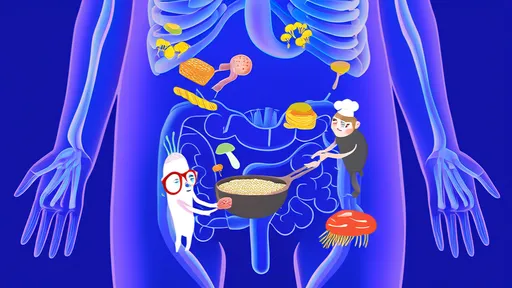
In recent years, science has uncovered a universe within us—a complex ecosystem of trillions of microorganisms residing primarily in our gut. This bustling community, known as the gut microbiome, plays a far more significant role in our health than previously imagined. It influences everything from digestion and immune function to mental health and chronic disease risk. And just like any ecosystem, its health depends profoundly on what we feed it. The concept of "feeding your microbiome" has moved from scientific curiosity to mainstream health advice, but what does it truly mean to nourish this inner world? The answer lies not in exotic supplements or radical diets, but in the everyday choices we make at the dinner table.
The gut microbiome is not a monolith; it is a diverse and dynamic collective of bacteria, viruses, fungi, and other microbes. Its composition is as unique as a fingerprint, shaped by genetics, environment, and, most notably, diet. A thriving ecosystem is characterized by its diversity—a wide variety of microbial species, each performing specialized functions. This biodiversity is the cornerstone of resilience. A diverse microbiome can better withstand stressors, from illness to antibiotics, and is more efficient at its jobs: breaking down complex fibers, producing essential vitamins like B and K, training our immune system, and protecting the gut lining. Conversely, a loss of diversity, often seen in Western diets, is linked to a host of issues, including inflammation, obesity, and autoimmune diseases. Therefore, the primary goal of a microbiome diet is to foster this microbial richness.
So, how does one actually feed these microscopic inhabitants? The key is to think of them not as passive passengers but as active partners in digestion. We consume food, but they consume what we cannot digest—dietary fiber. Fiber is the cornerstone of a microbiome-friendly diet. It is a type of carbohydrate found in plant foods that human enzymes cannot break down. Instead, it travels to the large intestine, where it becomes a feast for our gut bacteria. This process of bacterial fermentation produces short-chain fatty acids (SCFAs), such as butyrate, acetate, and propionate. These SCFAs are powerhouse molecules. They serve as the primary energy source for the cells lining our colon, strengthen the gut barrier, reduce inflammation, and even influence appetite and metabolism. A diet lacking in fiber essentially starves these beneficial microbes, forcing them to instead consume the mucus layer protecting the gut, which can lead to inflammation and a "leaky gut."
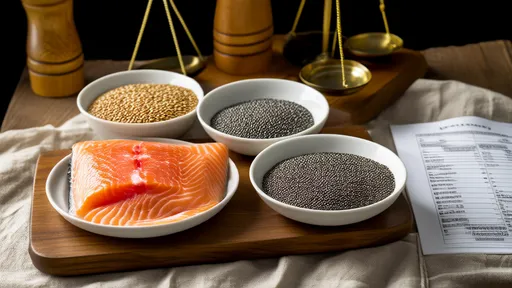
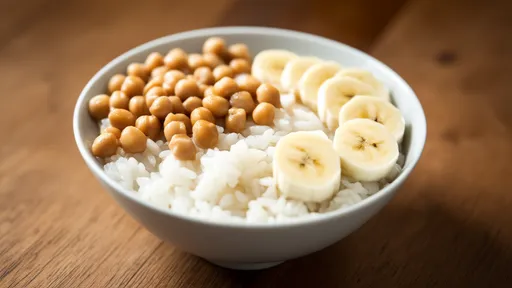
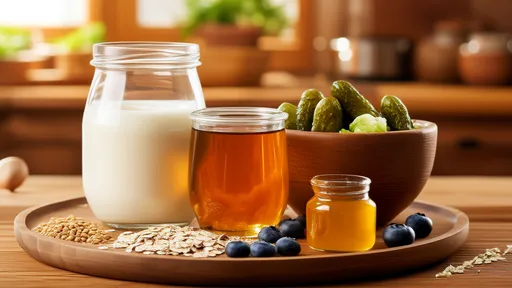
Not all fibers are created equal, and this is where the concept of prebiotics comes in. Prebiotics are a specific type of fiber that act like super-fertilizer for the beneficial bacteria already residing in your gut. They are selectively utilized by host microorganisms, conferring a health benefit. Think of them as targeted nutrition for your most desirable microbial citizens. Excellent sources of prebiotics include garlic, onions, leeks, asparagus, bananas, oats, apples, and flaxseeds. Jerusalem artichokes and dandelion greens are particularly potent sources. Incorporating a wide array of these foods ensures you are feeding different bacterial strains, promoting a more complex and robust community. It is less about finding one miracle food and more about building a varied, plant-heavy plate at every meal.
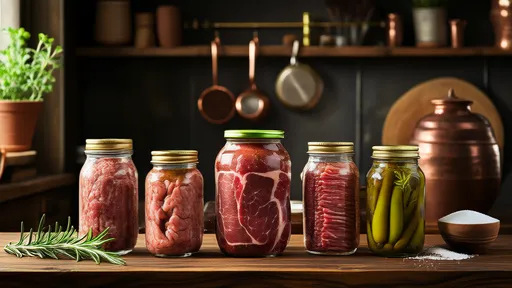
Beyond prebiotics, the concept of probiotics often enters the conversation. Probiotics are live microorganisms that, when consumed in adequate amounts, can confer a health benefit. They are found in fermented foods like yogurt, kefir, sauerkraut, kimchi, kombucha, and miso. While they are not a permanent fix—these introduced strains often do not colonize the gut long-term—their transient presence can be highly beneficial. They can help crowd out pathogenic bacteria, produce vitamins and SGFAs, and modulate the immune system during their journey through the digestive tract. The most effective approach is a synergistic one: consuming probiotics to introduce beneficial workers and consuming prebiotics (fiber) to feed the permanent residents, creating a thriving and productive internal workforce.
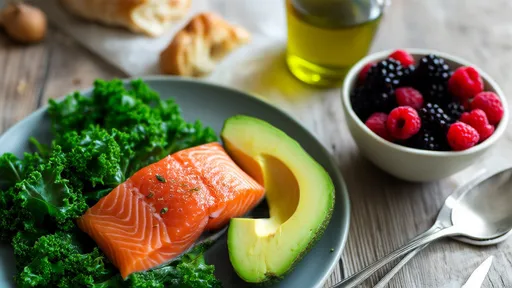
While focusing on what to include is crucial, it is equally important to consider what to limit. The standard Western diet, high in ultra-processed foods, added sugars, and unhealthy fats, has a devastating effect on microbial diversity. These foods often lack fiber and instead promote the growth of less beneficial, pro-inflammatory microbial species. Emulsifiers and artificial sweeteners common in processed foods have also been shown to negatively alter the gut microbiome and impair the mucus barrier. A diet for your microbes is inherently a whole-foods diet. It prioritizes plants in all their forms—fruits, vegetables, whole grains, legumes, nuts, and seeds—while minimizing packaged products with long ingredient lists. It is a return to eating food as nature intended it, for our sake and for the sake of our invisible partners.
Adopting a microbiome-centric approach to eating is a journey, not a destination. It does not require perfection but rather a consistent shift in perspective. Start by adding, not restricting. Aim to incorporate 30 different plant foods each week—a target that encompasses fruits, vegetables, grains, legumes, nuts, seeds, herbs, and spices. This variety ensures a broad spectrum of fibers and phytonutrients, each supporting a different segment of your microbial community. Swap white bread for whole grain, add a handful of lentils to your soup, snack on nuts and berries, and experiment with a new vegetable each time you shop. The changes need not be dramatic; small, sustainable shifts, compounded over time, will dramatically reshape your inner ecosystem.
The science of the gut microbiome is still young, and new discoveries are made every day. However, the fundamental principle remains clear and empowering: we have a profound ability to influence our health through the food we choose to eat. By consciously feeding the trillions of microbes within us, we are not just eating for one; we are eating for an entire civilization. The result of this partnership is a stronger, more resilient, and healthier you. It is a powerful reminder that our health is deeply interconnected with the microscopic world we nurture inside, and it all begins on our plates.

By /Aug 29, 2025

By /Aug 29, 2025
By /Aug 29, 2025

By /Aug 29, 2025
By /Aug 29, 2025
By /Aug 29, 2025
By /Aug 29, 2025
By /Aug 29, 2025

By /Aug 29, 2025
By /Aug 29, 2025

By /Aug 29, 2025

By /Aug 29, 2025

By /Aug 29, 2025

By /Aug 29, 2025

By /Aug 29, 2025

By /Aug 29, 2025

By /Aug 29, 2025
By /Aug 29, 2025

By /Aug 29, 2025

By /Aug 29, 2025
